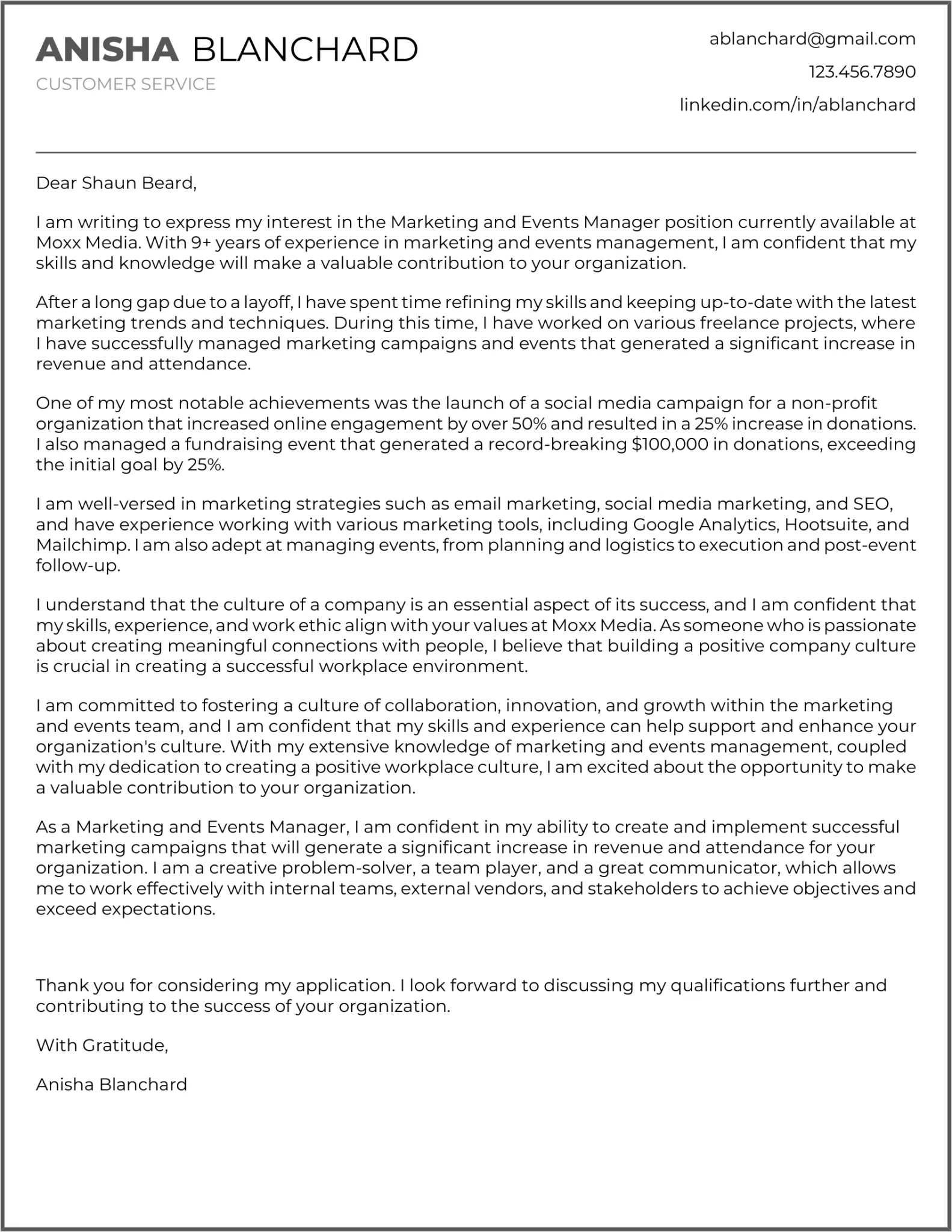
Customer Service Cover Letter How-To Guide
A well-crafted customer service cover letter is your first impression on a potential employer. It’s your opportunity to showcase your personality, skills, and experience in a way that a resume alone cannot. This guide will walk you through the essential components of a compelling cover letter, helping you stand out from the competition and land your dream customer service role. From understanding the purpose of a cover letter to avoiding common pitfalls, we’ll cover everything you need to know to create a winning application. Ready to get started? Let’s dive in and transform your job application from good to exceptional!
Understanding the Purpose of a Cover Letter
The primary purpose of a customer service cover letter is to introduce yourself and provide context to your resume. It’s not just a summary of your qualifications; it’s a chance to explain why you’re a perfect fit for the specific role and company. Think of it as a personalized sales pitch, highlighting your relevant skills, experiences, and the value you bring to the table. It gives you space to elaborate on your accomplishments, show your passion for customer service, and demonstrate your understanding of the company’s values and needs. A strong cover letter can significantly increase your chances of getting an interview and ultimately, the job.
Why a Cover Letter is Crucial

In the competitive job market, a cover letter is often the deciding factor between getting an interview and being overlooked. It allows you to showcase your communication skills, your ability to connect with others, and your enthusiasm for the position. Employers often look for candidates who can communicate clearly and concisely in writing. A well-written cover letter proves you can do just that. It demonstrates your attention to detail, your understanding of the job requirements, and your commitment to the application process. Moreover, it gives you the opportunity to tailor your application to the specific role and company, making you stand out from generic applicants.
Highlighting Your Customer Service Skills
Customer service is all about people. Your cover letter should emphasize skills that demonstrate your ability to connect with customers. This includes active listening, empathy, problem-solving, and effective communication. Provide specific examples of how you’ve used these skills in previous roles. Mention any experience with conflict resolution, handling difficult customers, or going the extra mile to ensure customer satisfaction. Quantify your achievements whenever possible. For instance, instead of saying “improved customer satisfaction”, state “increased customer satisfaction scores by 15% within six months”. This adds credibility and shows your value to potential employers.
Key Elements of a Customer Service Cover Letter
Contact Information and Date
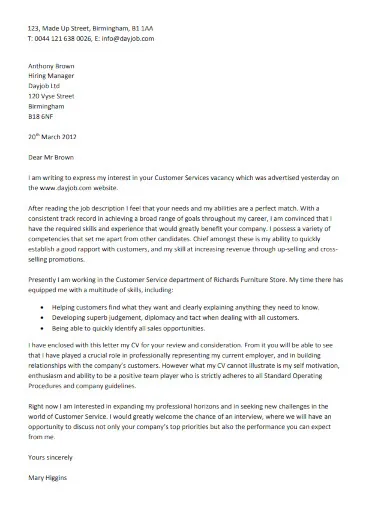
Begin your cover letter with your contact information, including your name, phone number, email address, and optionally, your LinkedIn profile URL. This information should be clearly displayed at the top, allowing the hiring manager to quickly reach you. Below your contact information, include the date. Then, add the hiring manager’s name and title (if known), and the company’s name and address. Addressing the letter to a specific person shows you’ve done your research and are genuinely interested in the role. Use a professional tone throughout your contact information section, ensuring accuracy and clarity.
The Opening Paragraph
The opening paragraph is your hook. It should grab the reader’s attention and make them want to learn more about you. Start by stating the position you’re applying for and where you saw the job posting. Briefly mention your key skills and experience, highlighting what makes you a strong candidate. Avoid generic openings like “I am writing to express my interest.” Instead, aim for a more engaging introduction that reflects your personality and enthusiasm. This could be a brief anecdote related to customer service or a direct statement about why you’re excited about the opportunity.
Body Paragraphs Highlighting Skills and Experience
The body paragraphs are where you showcase your relevant skills and experience in detail. Refer to the job description and tailor your letter to the specific requirements. Provide specific examples of how you’ve demonstrated your customer service skills in previous roles. Use the STAR method (Situation, Task, Action, Result) to structure your responses. Describe the situation you were in, the task you needed to accomplish, the actions you took, and the results you achieved. Focus on your problem-solving abilities, your communication skills, and your ability to work under pressure. Use keywords from the job description to show you’re a good fit.
Quantifying Achievements and Results

Whenever possible, quantify your achievements to demonstrate your impact. Use numbers, percentages, and specific data to showcase your accomplishments. For example, instead of saying “improved customer satisfaction,” state “increased customer satisfaction scores by 20% through proactive follow-up and personalized service.” Quantifying your achievements adds credibility and provides tangible evidence of your value. Consider using metrics like customer retention rates, average resolution times, or positive feedback scores. This level of detail makes your cover letter more compelling and shows you are results-oriented.
Tailoring to the Job Description
Customize your cover letter for each job you apply for. Read the job description carefully and identify the key requirements and desired skills. Then, highlight your relevant experience and skills that match those requirements. Avoid sending a generic cover letter; instead, show the hiring manager that you’ve taken the time to understand the role and the company. Research the company and mention specific aspects that appeal to you. This shows your genuine interest and your commitment to the application process. This also helps your cover letter stand out from generic applications and showcases your attention to detail.
The Closing Paragraph and Call to Action
In the closing paragraph, reiterate your interest in the position and express your enthusiasm for the opportunity. Thank the hiring manager for their time and consideration. Include a clear call to action, such as “I am eager to discuss my qualifications further in an interview” or “I look forward to hearing from you soon.” End with a professional closing, such as “Sincerely” or “Best regards,” followed by your typed name. Review your cover letter to ensure it is free of errors and reflects a professional tone.
Formatting and Presentation Tips

Choosing the Right Font and Style
The formatting of your cover letter is just as important as its content. Choose a professional and easy-to-read font, such as Times New Roman, Arial, or Calibri. Use a font size between 10 and 12 points. Maintain consistent formatting throughout the document, including line spacing, margins, and headings. Use a clear and organized layout, with appropriate spacing between paragraphs. This makes your cover letter easy to read and visually appealing. A well-formatted cover letter shows that you pay attention to detail, which is crucial for customer service roles.
Proofreading and Editing Your Cover Letter
Before submitting your cover letter, proofread it carefully for any errors in grammar, spelling, and punctuation. Errors can create a negative impression and may lead to your application being rejected. Use a grammar checker and spell checker, but don’t rely on them completely. Read your cover letter aloud to catch any awkward phrasing or sentences that don’t flow smoothly. Ask a friend or family member to review it as well, as a fresh pair of eyes can often spot mistakes you may have missed. Proofreading ensures your cover letter is polished and professional.
Common Mistakes to Avoid

Generic Content and Lack of Customization
One of the biggest mistakes is sending a generic cover letter that could be used for any job. Hiring managers can easily spot a generic letter and may dismiss your application. Always tailor your cover letter to the specific job and company. Show that you’ve done your research and understand the role. Avoid using generic phrases and instead highlight your unique skills and experiences that align with the job requirements. Personalize the letter by mentioning specific details about the company and why you’re interested in working there.
Typos and Grammatical Errors
Typos and grammatical errors can damage your credibility and make you appear unprofessional. Always proofread your cover letter carefully before submitting it. Use spell-check and grammar-check tools, but also read the letter aloud to catch any mistakes that automated tools might miss. Ensure that your sentences are clear, concise, and grammatically correct. A polished cover letter demonstrates your attention to detail and your ability to communicate effectively, both crucial skills in customer service. Sloppy writing suggests a lack of care and professionalism.
Failing to Showcase Achievements

Simply listing your responsibilities is not enough. Your cover letter should highlight your achievements and quantify your results. Use specific examples to demonstrate your impact in previous roles. For instance, instead of saying “handled customer inquiries,” state “resolved an average of 50 customer inquiries per day with a 95% satisfaction rate.” Quantify your achievements whenever possible to make your cover letter more compelling and show your value to the potential employer. This demonstrates your ability to deliver results and provides concrete evidence of your skills.
Cover Letter Examples
Here are some examples of cover letters that you can use to help with your application.